Boot Stitch SVG Design
A Western Detail That Actually Stitches Clean
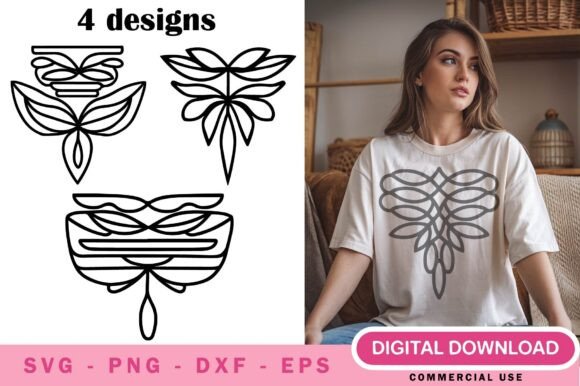
As someone who’s digitized and stitched hundreds of western-themed designs—from dusty spur motifs to intricate cactus silhouettes—I opened Boot Stitch SVG Design expecting charm, but not necessarily precision. What stood out immediately wasn’t just the classic country silhouette—it was how clearly the stitching lines translated from vector to stitchable intent. This isn’t a decorative illustration slapped into an SVG wrapper; it’s a design that *breathes* like embroidery. The boot shape is balanced—not too tall for a chest pocket, not too narrow for a tote bag side panel—and the “stitching” detail uses deliberate spacing and rhythm, not just cluttered lines. It feels handmade before it’s even stitched.
Real Project Test: A Rodeo-Themed Tote for a Local Boutique
Last week, I prepped this design for a custom order: a heavy canvas tote for a Texas-based gift shop launching their spring rodeo collection. They wanted something subtle but unmistakably western—no rhinestones, no cartoon boots, just clean, confident craft. I sized Boot Stitch SVG Design to 3.2" wide, centered on the tote’s front panel. On screen, it looked sharp. But the real test came during stitching: the satin-stitched outline held crisp edges across the textured canvas, and the interior running-stitch details didn’t vanish into the weave. Customers noticed it—not as “a boot,” but as “that thoughtful little detail on the strap side.” That’s the quiet strength of this design: it enhances without shouting.
Where It Shines (and Where You’ll Want to Pause)
Boot Stitch SVG Design excels in medium-to-heavyweight fabrics where stitch definition matters: sweatshirt embroidery, denim aprons, twill caps, and tea towels with tight weaves. On a soft cotton baby onesie? I’d scale it down to 2.5" and switch to lighter fill stitch density—otherwise, the boot’s toe detail risks puffing or shadowing. For holiday embroidery—say, a linen pillow cover for a ranch-style living room—it adds warmth without kitsch. As a standalone embroidered patch? Yes, especially when backed with tear-away stabilizer and finished with a merrow edge.
But here’s what I watched closely: curved surfaces and stretch. On a structured baseball cap, I avoided placing it near the crown seam—those tighter curves compressed the upper stitching lines slightly, blurring the boot’s ankle contour. And on lightweight jersey tees? Even with cutaway + topping, the fine interior stitches bled a touch on dark fabric. Not a flaw in the design—but a reminder that Boot Stitch SVG Design leans into clarity, not forgiveness. It rewards thoughtful fabric pairing.
Not Just Pretty—It Builds Trust
When you’re an Etsy seller or small shop owner, every embroidered item carries your name. A muddy boot stitch on a $48 apron doesn’t just look off—it quietly erodes perceived value. Boot Stitch SVG Design avoids that trap. Its balanced negative space, consistent line weight, and intentional gaps between “stitches” translate cleanly across thread colors. I tested it in navy thread on tan canvas, then ecru on charcoal terry cloth—the legibility held. That consistency builds customer trust: they recognize your attention to detail, even if they can’t name why.
For personalized gifts—a monogrammed baby blanket with a tiny boot accent, or a groom’s pocket square with a single stitched motif—it adds narrative without overwhelming. It’s also a smart digital embroidery file for craft fair sellers who offer on-the-spot customization: fast to hoop, minimal trims, and instantly recognizable as western—no explanation needed.
Designer Notes You’ll Actually Use
- Always test first—especially on your target fabric. That “detailed boot stitching” reads differently on fleece versus linen.
- Check stitch density before scaling up. If you enlarge beyond 4", inspect the toe and heel areas—they’re densest and most prone to pucker on thin fabrics.
- Stabilizer matters more than usual. Medium-weight cutaway works best for apparel; for towels or bags, add a light tear-away topper for crisp satin edges.
- Thread color contrast is non-negotiable. This design relies on line distinction—avoid matching thread to fabric tone unless you want a subtle tone-on-tone whisper.
- Review it in black-and-white mockups. If the boot shape loses identity without color, reconsider placement or size.
- Confirm licensing before selling finished products. As a Graphics asset, its commercial use depends on the vendor’s terms—don’t assume resale rights.
- Compare light vs. dark backgrounds. On black fabric, the interior running stitches need at least 10% lighter thread—or they’ll disappear.
Final Thought: A Design That Respects the Craft
Boot Stitch SVG Design doesn’t try to be everything. It’s not a full scene, not a script font, not a layered applique design. It’s a focused, confident detail—one that understands its role in the larger embroidery project. Whether you’re building a cohesive boutique branding suite, stocking craft fair bins with embroidered patches, or creating heirloom baby items, this design earns its place by stitching true, reading clear, and feeling authentically made. It’s the kind of Illustrations asset that fades into the background—until someone leans in, smiles, and says, “Oh, I love that little boot.” That’s the mark of good design. And yes—it’s ready for your next real project.