Minimalist Pink Watercolor Flowers SVG
A Designer’s First Look: Soft, Quiet, and Purposefully Understated
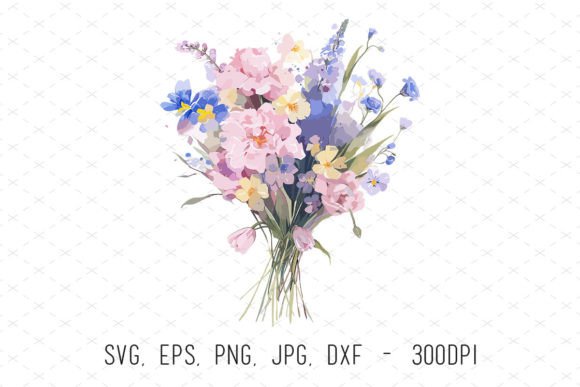
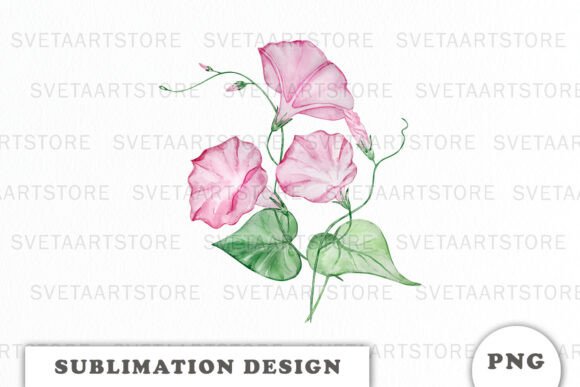
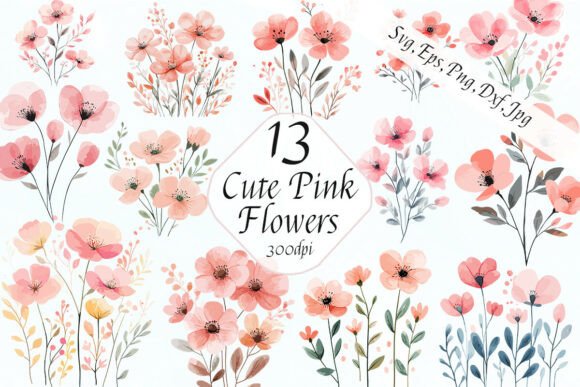
When I opened Minimalist Pink Watercolor Flowers SVG, my immediate thought wasn’t “wow” — it was “yes, this belongs somewhere real.” The design breathes calm. It’s not loud or intricate; it’s a gentle cluster of three stylized blooms with soft watercolor edges, subtle gradients, and intentional negative space. No heavy outlines, no fussy details — just shape, tone, and quiet confidence. As an embroidery designer who spends weeks refining stitch paths for clarity and wearability, I appreciate how this illustration avoids visual clutter. It feels like something you’d choose for a baby’s linen onesie, a boutique apron, or a linen tea towel meant to live in a sunlit kitchen — not as decoration, but as quiet intention.
Real Project Test: Embroidering a Linen Tote Bag for a Local Botanical Shop
Last week, I used Minimalist Pink Watercolor Flowers SVG to create a custom embroidered tote for a small plant shop’s summer launch. We stitched it on natural unbleached linen — a fabric that shows every stitch decision. I resized the design to fit a 4" hoop, placed it off-center on the front panel, and chose soft heather-pink and ivory rayon threads. The result? A finished product that looked handmade *without* looking labored. Customers paused to touch the stitching — not because it was flashy, but because the watercolor softness translated beautifully into satin and fill stitches. The petals held their shape, the transitions between light and dark pink read clearly, and the overall effect felt elevated, not generic. That’s the value of thoughtful minimalism: it lets the craft — and the customer’s connection to it — take center stage.
Where This Design Shines (and Where It Needs Care)
Minimalist Pink Watercolor Flowers SVG excels in projects where subtlety signals quality:
- Custom apparel: Works beautifully on lightweight sweatshirts, cotton tees, and woven baby bodysuits — especially when paired with tonal thread and light stabilizer.
- Home & lifestyle goods: Ideal for pillow covers, kitchen towels, napkins, and nursery wall hangings where softness and cohesion matter more than bold contrast.
- Personalized gifts: Perfect for monogrammed baby blankets, wedding guest towels, or anniversary tea sets — its quiet elegance reads as intentional, not mass-produced.
- Boutique branding: Scales well for small shop tags, packaging stamps, and digital mockups — reinforcing a cohesive, artisanal identity without overwhelming the product.
But minimalism demands precision. Use caution on:
- Stretchy or thin fabrics — watercolor edges rely on clean stitch definition; too much give in the base fabric can blur the soft transitions.
- Dark or textured surfaces — the delicate pink tones may recede or disappear without careful thread selection and adequate underlay.
- Curved or layered items — like caps or quilted patches — where distortion can flatten the intended watercolor depth.
- Products requiring frequent washing — test stitch density and thread type thoroughly; low-density fills may loosen over time if not stabilized properly.
What This Design Says About Your Finished Product
When customers see Minimalist Pink Watercolor Flowers SVG on a finished item, they don’t just see flowers — they sense care. That translates directly into perceived value. A tote bag with this design feels more considered than one with a busy clipart rose. A baby onesie stitched with it reads as heirloom-quality, not novelty. For Etsy sellers and craft fair vendors, that distinction builds trust fast. It also supports brand consistency: whether you’re selling digital embroidery files, physical patches, or printed-and-embroidered apparel, this illustration holds its voice across formats. And because it’s rooted in mood rather than trend, it avoids dating your inventory — a real win for small shop owners rotating seasonal collections.
Practical Notes Every Embroidery Designer Should Check
Before cutting thread or uploading to your machine:
- Test on scrap fabric first — especially if using textured linen, chambray, or blends. Watch how the watercolor gradient interprets in satin versus fill stitch.
- Review stitch density — minimal doesn’t mean sparse. Ensure enough coverage to hold shape on medium-weight cottons without piling up on lightweight silks.
- Confirm hoop size compatibility — this design flows best within 3.5"–5" hoops. Avoid cramming it into tiny frames where soft edges risk stitching inaccuracies.
- Inspect small details — even in minimal work, petal tips and stem taper matter. Zoom in digitally before embroidering.
- Mock it up in black and white — does the composition still read clearly without color? If yes, you’ve got strong graphic bones.
- Compare light vs. dark backgrounds — adjust thread values accordingly. Ivory on charcoal linen needs different contrast than blush on oat.
- Use appropriate stabilizer — tear-away works for stable wovens; cut-away adds security for knits or repeated washes.
- Verify licensing — since this is categorized as Illustrations and Graphics, confirm whether commercial use (e.g., selling embroidered totes or digital embroidery files) is permitted before listing on Etsy or elsewhere.
Final Thought: Less Isn’t Empty — It’s Loaded With Intent
Minimalist Pink Watercolor Flowers SVG isn’t a shortcut. It’s a deliberate choice — one that asks you to slow down, select thoughtfully, and prioritize feeling over flash. In a market flooded with dense, high-contrast machine embroidery designs, this one stands out by stepping back. It gives space to the fabric, the stitch, and the person holding the finished piece. Whether you’re stitching a single personalized gift or building a full line of small shop products, this design earns its place not through volume, but through resonance. Just remember: minimalism only works when every element — from thread hue to stabilizer weight — serves the same quiet purpose.