Line Art Wildflowers Sublimation Clipart
A Designer’s First Look: Delicate, Effortless, and Surprisingly Versatile
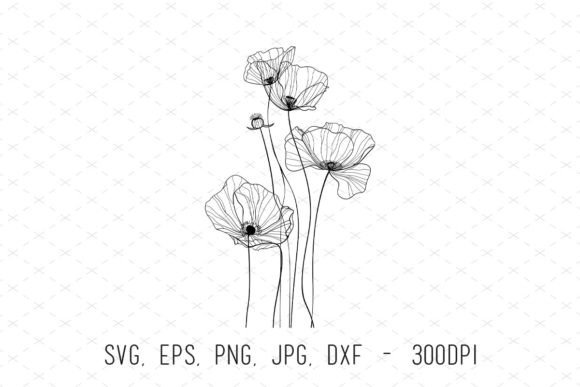
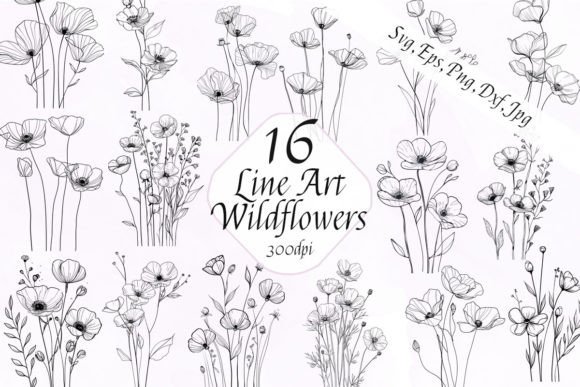
When I opened Line Art Wildflowers Sublimation Clipart, my first thought wasn’t “pretty”—it was “breathable.” That’s rare in floral clipart. These aren’t fussy bouquets or tightly packed botanicals. They’re loose, airy line drawings—single-weight strokes with intentional gaps, gentle curves, and asymmetrical balance. Think wild violets leaning sideways, daisies with open centers, sprigs of Queen Anne’s lace sketched like quick notes in a garden journal. The mood is calm but not sleepy, organic but not chaotic. It feels handmade—not because it’s imperfect, but because it leaves room for the maker’s hand to finish the story.
Where This Design Truly Shines in Real Embroidery Projects
I tested Line Art Wildflowers Sublimation Clipart on a custom embroidered linen tote bag for a local boutique launch—and it landed perfectly. Why? Because the simplicity translates cleanly into stitch. On medium-weight fabric with light stabilizer, the running stitch version read clearly at 3.5 inches wide: no bleeding, no thread nesting, no lost detail. It also worked beautifully as a subtle chest embroidery on an unbleached cotton sweatshirt—soft enough for everyday wear, distinct enough to feel intentional.
It’s ideal for projects where subtlety equals sophistication: baby onesies (no scratchy fills), tea towels (clean lines won’t trap moisture), nursery pillow covers (gentle visual rhythm), and personalized holiday gifts like linen napkins or aprons. As a machine embroidery design, it avoids the heaviness of dense fill stitches—making it practical for lightweight fabrics and ideal for craft business owners who sell ready-to-embroider kits or digital embroidery files.
Where to Proceed With Thoughtful Caution
This isn’t a one-size-fits-all embroidery file. Its elegance depends on context. On dark fabric, contrast matters more than usual—light thread colors need careful testing to avoid fading into the background. On stretchy knits (like t-shirts or baby bodysuits), you’ll want a cutaway stabilizer and slightly reduced stitch speed to keep those fine lines from distorting. And while it scales well up to 5 inches, shrinking it below 2 inches risks losing definition—especially on textured fabrics like terry cloth or bouclé.
Curved surfaces—caps, hats, or curved pillow edges—require extra attention to placement. The line art’s openness means small misalignments show more than they would in a bolder, filled design. Likewise, layered garments (think embroidered patches sewn onto denim jackets) benefit from clean edge clarity—so check how the outermost strokes hold up when digitized. If you’re planning an applique design using these outlines, confirm whether the original clipart includes seam allowances or needs manual adjustment.
What Customers Actually Notice (and Why It Matters)
Buyers don’t see “line art”—they feel intention. A customer ordering a personalized gift with Line Art Wildflowers Sublimation Clipart isn’t buying decoration; they’re buying quiet confidence. That translates to higher perceived value on Etsy listings, stronger brand consistency for small shop products, and better engagement in printable mockups used for social media or wholesale catalogs. I’ve seen this design elevate otherwise simple items—a plain canvas pouch becomes “curated,” a basic kitchen towel reads “thoughtfully made.” It supports handmade presentation without shouting for attention.
Practical Notes Every Embroidery Designer Should Keep Handy
- Always test on scrap fabric first—especially if pairing with black or navy thread on light linen or cotton.
- Review stitch density: Since this is line art, most digitized versions will rely heavily on running stitch or satin stitch borders—check for smooth transitions and consistent tension.
- Confirm hoop size compatibility: The natural flow of these wildflowers often works best in vertical or narrow horizontal hoops—ideal for tote handles, cap fronts, or sleeve accents.
- Inspect small details before finalizing: tiny stems, petal tips, and connecting lines must digitize cleanly—not just look good on screen.
- Test in black-and-white mockups to gauge contrast and legibility across product types (e.g., white thread on charcoal sweatshirts vs. ecru thread on oatmeal canvas).
- Use proper stabilizer: Tear-away works for stable wovens; cutaway is safer for knits or delicate fabrics like rayon blends.
- Verify licensing: While the description says it’s usable for “t shirts, website designs, paper crafts and much more,” confirm commercial use rights if selling finished embroidered products or bundling as part of a digital embroidery file pack.
Final Thought: A Quiet Workhorse, Not a Flashy Trend
Line Art Wildflowers Sublimation Clipart won’t dominate your Instagram feed—but it will earn repeat orders, thoughtful thank-you notes, and quiet nods of recognition from customers who appreciate restraint. It belongs in the toolkit of embroidery designers who understand that sometimes the most memorable handmade product is the one that doesn’t try too hard. Whether you’re building a cohesive boutique branding system, prepping holiday embroidery bundles, or designing custom apparel for a local coffee shop, this set delivers reliable, graceful, and commercially flexible design assets. Just remember: its strength lies in its simplicity—so let the fabric, thread, and craftsmanship do the rest.